

Starting university is one of the most significant milestones in a young adult’s life. It represents a shift from the structured environment of secondary school to a world of independence, academic rigour, and new social landscapes. However, amidst the excitement of choosing courses and attending orientation weeks, there is one decision that often carries more weight than any other: selecting the right environment to live in.
The search for the ideal student accommodation brisbane uq is about more than just finding a bed and a desk. It is about identifying a community that fosters personal growth, ensures safety, and provides the academic scaffolding necessary to succeed in a competitive tertiary environment.
The Evolving Landscape of Student Living
In Australia, the demand for high-quality residential options has never been higher. According to recent data from the Australian Bureau of Statistics (ABS), the number of people aged 15-24 years participating in full-time education has remained steady at approximately 53% of the youth population as of late 2023 [Source: ABS Education and Work Statistics]. This consistent engagement with higher education places significant pressure on the residential sector to provide spaces that are not merely functional, but enriching.
For many students, especially those relocating from regional areas or overseas, the move to a metropolitan hub like Brisbane can be daunting. The transition involves managing finances, learning to cook, and navigating public transport—all while trying to maintain a high GPA. This is where the distinction between “a place to stay” and “a place to belong” becomes critical.
Why Community-Centric Living Matters
When students choose purpose-built residential colleges or managed communities, they are often seeking a “soft landing.” Unlike private rentals, where a student might feel isolated in a suburban apartment, residential colleges are designed to integrate social and academic life.
- Academic Support Systems: Many residential options offer formalised tutoring and study groups. Having a peer or a senior student living just down the hall who is studying the same degree can be the difference between feeling overwhelmed and feeling empowered.
- Safety and Wellbeing: For parents and students alike, security is a non-negotiable. Modern residences provide 24/7 on-site support, secure access, and professional staff trained in pastoral care. This holistic approach ensures that if a student is struggling with homesickness or health issues, there is a visible safety net.
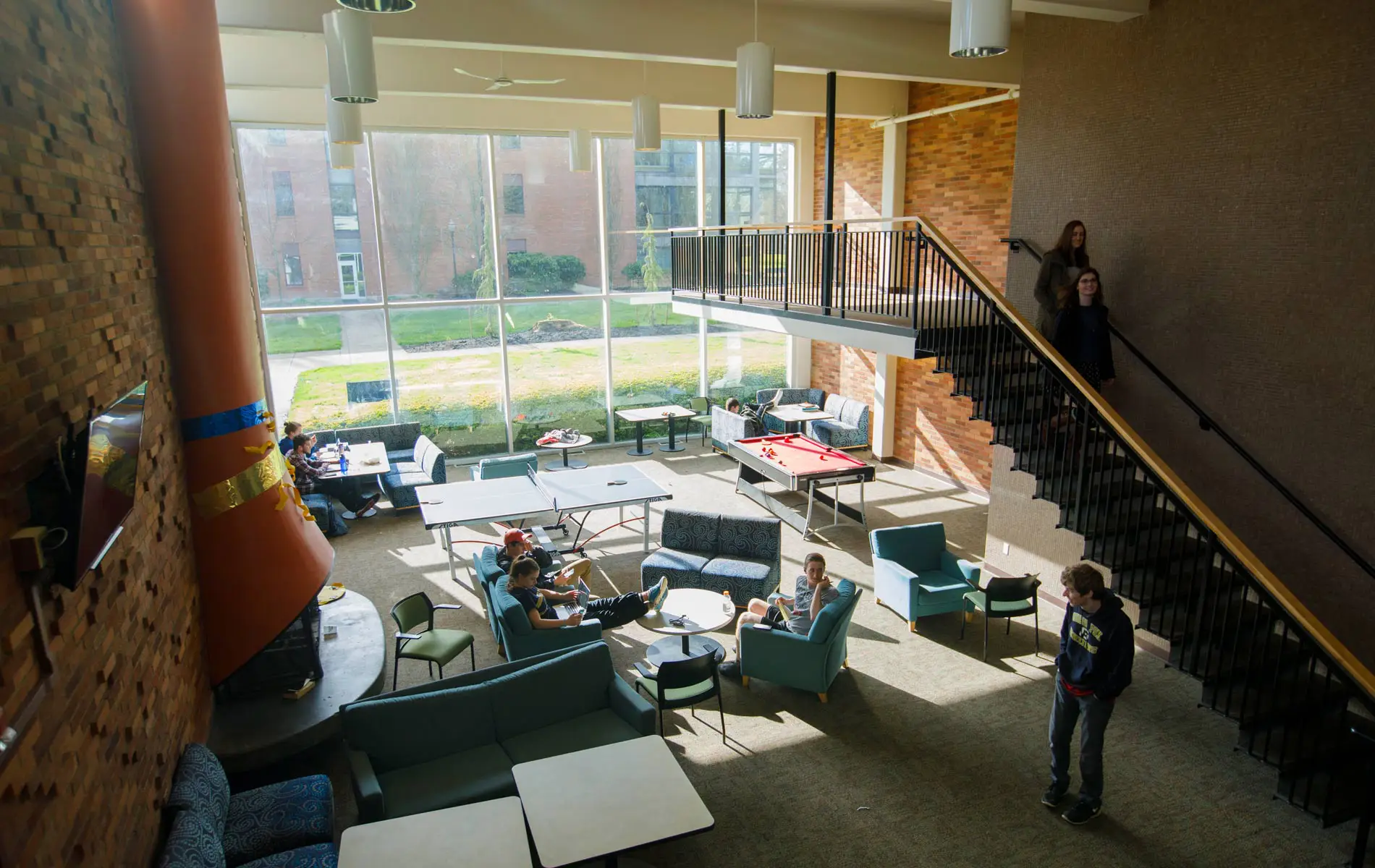
- The “Third Space”: University life isn’t just about the lecture theatre or the bedroom. It’s about the communal dining halls, the common rooms, and the sporting fields. These spaces facilitate “incidental socialisation,” allowing students to build lifelong friendships without the effort of organising formal meet-ups.
Balancing Independence and Structure
A common misconception is that living in a structured residential environment limits a student’s independence. In reality, it provides the foundation upon which true independence is built. By removing the stress of managing utility bills or long commutes, students can focus their energy on their studies and their personal development.
In Brisbane, particularly for those attending the University of Queensland (UQ), the choice of residence can define the university experience. The St Lucia campus is known for its vibrant collegiate culture. Choosing a residence within this precinct allows students to be at the heart of the action, reducing travel time and allowing for a more seamless integration into campus clubs and societies.
Financial Considerations and Long-Term Value
While the upfront cost of managed residences can sometimes appear higher than a shared house in the suburbs, the “all-inclusive” nature of these arrangements often provides better value. When you factor in internet, electricity, water, furniture, and—in many cases—catered meals, the budget becomes far more predictable.
Furthermore, the “hidden” benefits—such as networking opportunities with alumni and access to professional development workshops—can have a long-term impact on a student’s career trajectory. These environments are often the breeding grounds for the leaders of tomorrow, providing a “hidden curriculum” of soft skills like leadership, conflict resolution, and cultural competence.
Making the Final Choice
As the academic year approaches, students should begin their search early. It is important to visit campuses, attend open days, and talk to current residents. Ask about the culture of the house: Is it quiet and academic? Is it social and sporty? Does it offer a balanced mix of both?
Finding the right home is the first step toward university success. When a student feels secure, supported, and connected, they are free to pursue their academic passions with confidence. The right residence isn’t just a place to sleep; it’s the launchpad for everything that comes next.
