

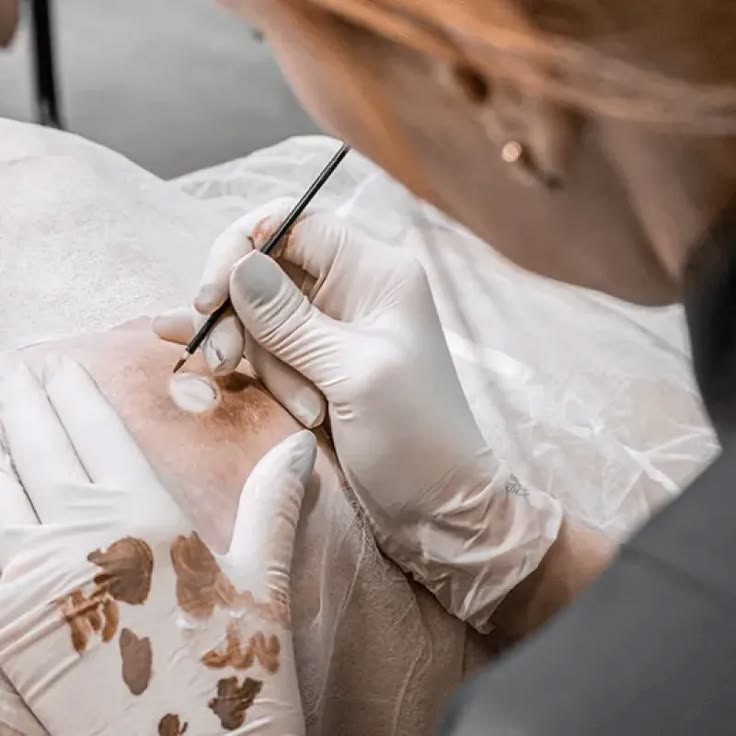
Restorative nipple micropigmentation has evolved dramatically from flat, monochromatic circles of ink into hyper-realistic, three-dimensional 3d areola west valley city artistry. As breast reconstruction, aesthetic flat closures, and gender-affirming chest surgeries continue to advance, medical tattooing is undergoing its own wave of technical innovation. New pigment chemistries, precision digital devices, imaging tools, and collaborative surgical workflows are reshaping how artists restore natural anatomy—delivering longer-lasting color stability, gentler tissue interaction, and unprecedented realism.
Next-Generation Biocompatible Pigments
One of the most significant breakthroughs in paramedical tattooing lies in pigment science. Traditional inks often struggled on reconstructed or radiation-treated skin, either shifting toward cool bluish-gray tones over time or fading unpredictably.
-
Stabilized Hybrid Formulations: Modern paramedical pigments increasingly combine purified inorganic iron oxides with stabilized organic compounds. These hybrid formulations retain the soft, natural-looking fade profile of iron oxides while offering stronger color stability and richer saturation on dense scar tissue.
-
Pre-Neutralized Undertone Modifiers: Pigment manufacturers now engineer medical palettes specifically calibrated for post-surgical and irradiated skin, building warm golden, coral, and terracotta modifiers directly into base shades to counteract the cool, bluish undertones common in reconstructed breast tissue.
-
Expanded Fitzpatrick Spectrum: Newer pigment lines provide dedicated, high-density warm shades—ranging from soft dusty roses to deep mahoganies and espressos—ensuring natural tonal depth and crisp highlight contrast across all skin tones.
Precision Digital Machines and Ultra-Fine Needle Engineering
Reconstructed skin—especially over implants or previously irradiated tissue—is often thinner and more delicate than untouched skin. Advances in tattoo hardware allow artists to implant pigment with minimal mechanical trauma:
-
Microprocessor-Controlled Rotary Pens: Modern digital micropigmentation devices regulate needle stroke frequency and torque automatically, adapting in real time to changes in skin resistance as the needle moves from soft breast tissue across dense surgical scars.
-
Nano-Configuration Cartridges: Ultra-fine single needles (1RL) and tight micro-groupings with polished, medical-grade steel tips allow artists to execute microscopic stippling and pixelation. This enables whisper-soft areola borders and lifelike Montgomery glands without damaging fragile epidermal layers.
Digital Color Mapping and Pre-Session Visualization
Choosing the right size, placement, and color has historically relied on manual measurement and freehand sketching. Emerging digital tools are making pre-procedure planning more precise and collaborative:
-
Spectrophotometry and Digital Color Analysis: Handheld color-reading tools and calibrated neutral-light imaging help artists analyze the exact melanin and vascular values of a natural areola in unilateral reconstructions, reducing guesswork when blending custom pigment matches.
-
3D Imaging and Temporary Trial Transfers: Some clinical practices now use 3D surface imaging or custom medical-grade temporary transfers that patients can wear at home for a day or two before committing to permanent pigmentation, ensuring total confidence in diameter, symmetry, and placement.
Refined 3D Illusion and Hybrid Surgical Techniques
Artistic protocols themselves continue to evolve as paramedical specialists share anatomical research with plastic surgeons:
-
Enhanced 3D-E and Micro-Glandular Shading: Standardized techniques—such as combining directional overhead highlights with subtle crescent shadows beneath individual Montgomery glands—allow artists to replicate natural surface texture even when surgical nipple flaps flatten over time.
-
Integrated Scar Camouflage and Microneedling: Practitioners increasingly pair 3D areola tattooing with medical microneedling (collagen induction therapy) prior to pigmentation. Preparing raised or tight mastectomy scars beforehand softens collagen texture, allowing subsequent 3D shading and peripheral scar camouflage to heal more evenly.
-
Closer Hospital and Oncology Integration: More breast centers, plastic surgery clinics, and oncology teams now incorporate certified paramedical tattoo specialists directly into multidisciplinary reconstruction pathways, improving patient access, medical safety oversight, and insurance reimbursement support.
Looking Ahead
As art, dermatological science, and reconstructive medicine continue to converge, 3D areola tattooing is becoming safer, gentler, and more lifelike than ever before.
